B2C payment solutions let businesses accept payments directly from consumers—in-store, online, or on the go. Without them, customers ready to tap and pay walk away when only cash is accepted, and those missed sales quickly add up.
These solutions range from card terminals to mobile apps that turn smartphones into point-of-sale devices. With digital wallets making up 50% of global ecommerce purchases and mobile payments accounting for 35% of online transactions, meeting customers where they are means supporting how they prefer to pay.
Below, we break down the types of B2C payment solutions, how they differ from B2B payments, and what to consider when choosing one for your business.
What Is a B2C Payment?
B2C stands for business-to-consumer. A B2C payment is any transaction where a business sells goods or services directly to an individual consumer. A few real examples make the concept concrete. Purchasing shoes from a boutique, ordering from an online store, paying a tutor for a lesson, or buying supplies from a hardware store all count as B2C transactions. The payment typically happens at or near the time of purchase, which is one key difference from B2B transactions that often involve invoicing.
B2C payments also flow in the other direction when a business pays the consumer directly. Refunds, rebates, insurance claim disbursements, and loyalty rewards all fall under the B2C umbrella.
Why B2C Payments Matter Now
Consumer payment preferences are shifting fast. The Federal Reserve's 2025 Diary of Consumer Payment Choice found Americans now make 11 mobile payments per month, up from 4 in 2018. Credit cards lead at 35% of all card payments, debit cards at 30%, and cash has dropped to just 14%. Businesses that can handle payment processing across multiple digital payment methods and optimize the customer experience capture more sales. Businesses that offer flexible B2C payment options meet customers where they are and improve cash flow by avoiding lost sales at checkout.
B2C vs B2B Payments: Key Differences
B2C and B2B payments serve different purposes and operate differently. Understanding the contrast helps you choose the right solution for your customer base.
Here's how B2C and B2B payments compare across the factors that matter most:
B2C payments prioritize speed and convenience at checkout, delivering a better payment experience for consumers. B2B payments prioritize flexibility and documentation for larger, recurring transactions, often involving accounts payable workflows and bank transfers.
Most small businesses selling to consumers need B2C-focused solutions that make it easy for customers to pay on the spot. Paper checks, wire transfers, and electronic payments through ACH are rare in everyday consumer purchases but remain common in B2B workflows.
Types of B2C Payment Solutions
B2C payments come in several forms, each suited to different business models and customer preferences. The right mix depends on where you sell and who your customers are.
Credit and Debit Cards
Cards remain the backbone of consumer payments in the U.S., and most customers expect businesses to accept them as a baseline. Credit cards account for 35% of all consumer payments, and debit cards handle another 30%. These remain the most common B2C payment methods across retail and online shopping. To accept credit card payments, you need a payment gateway for online transactions or a POS terminal for in-person sales.
Digital Wallets
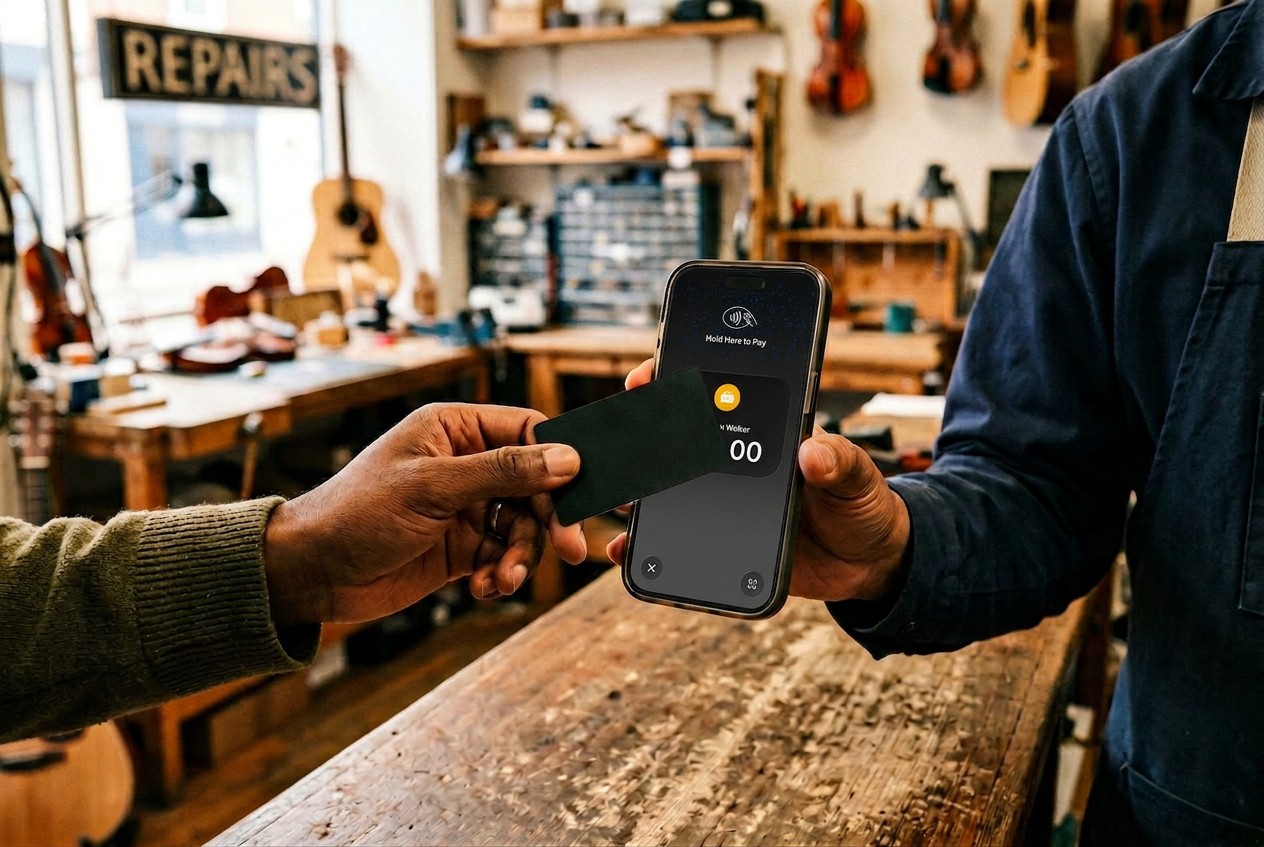
Digital wallets store multiple payment methods in one place, making checkout faster for customers. Apple Pay, Google Pay, and Samsung Pay keep payment information securely on a customer's device using tokenization and authentication. Digital wallets now power 50% of ecommerce purchases globally. They enable faster online payments, especially for mobile shoppers who can complete purchases without typing card numbers. For in-person acceptance, you need an NFC-enabled terminal or tap-to-phone capability.
Mobile Payments and Tap to Pay
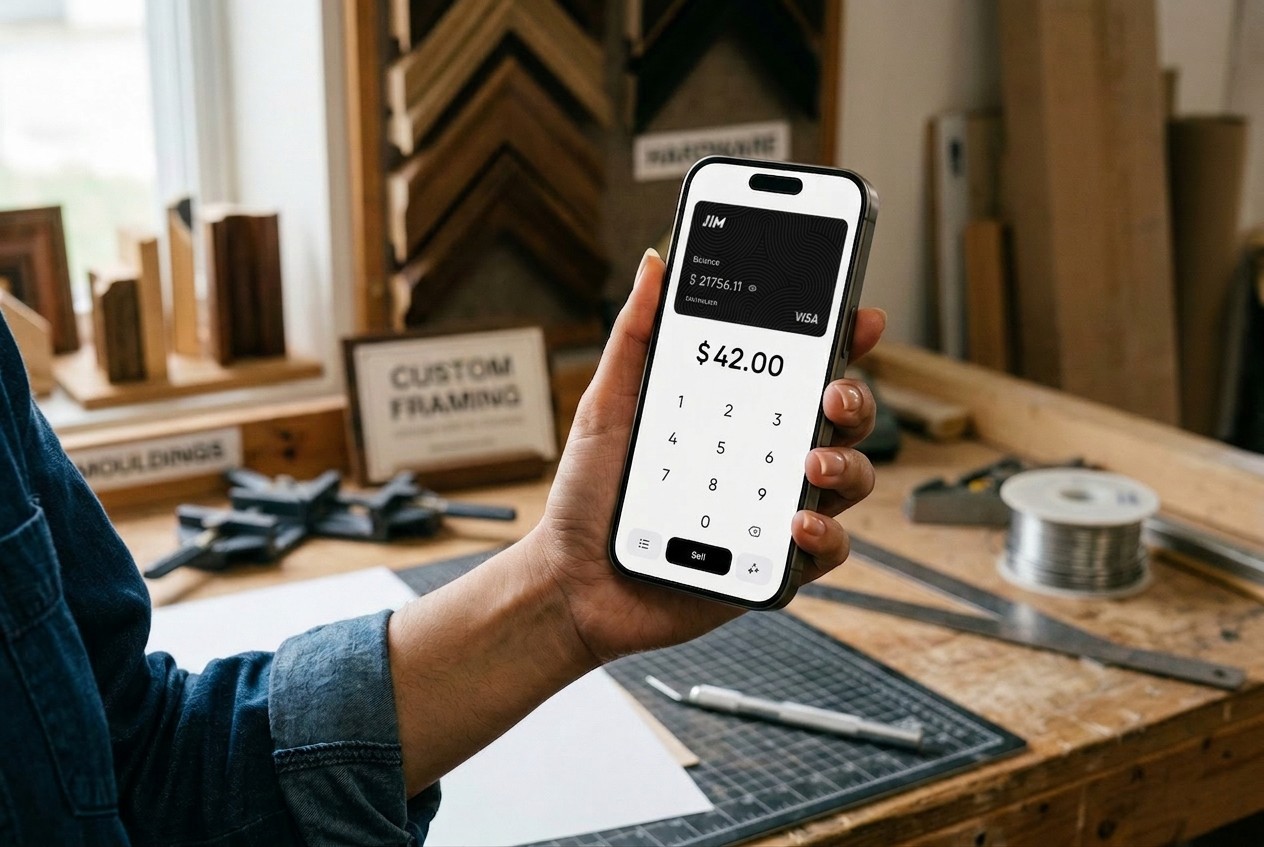
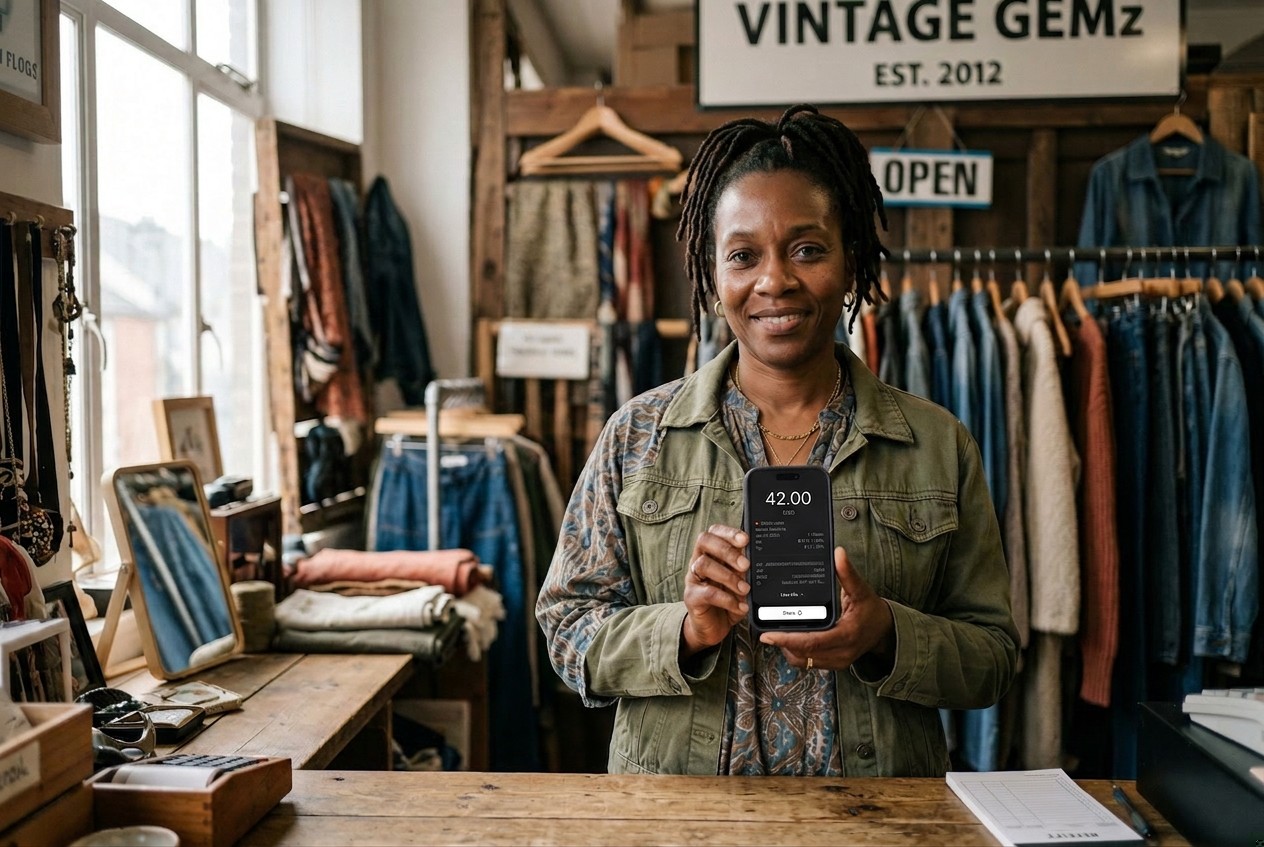
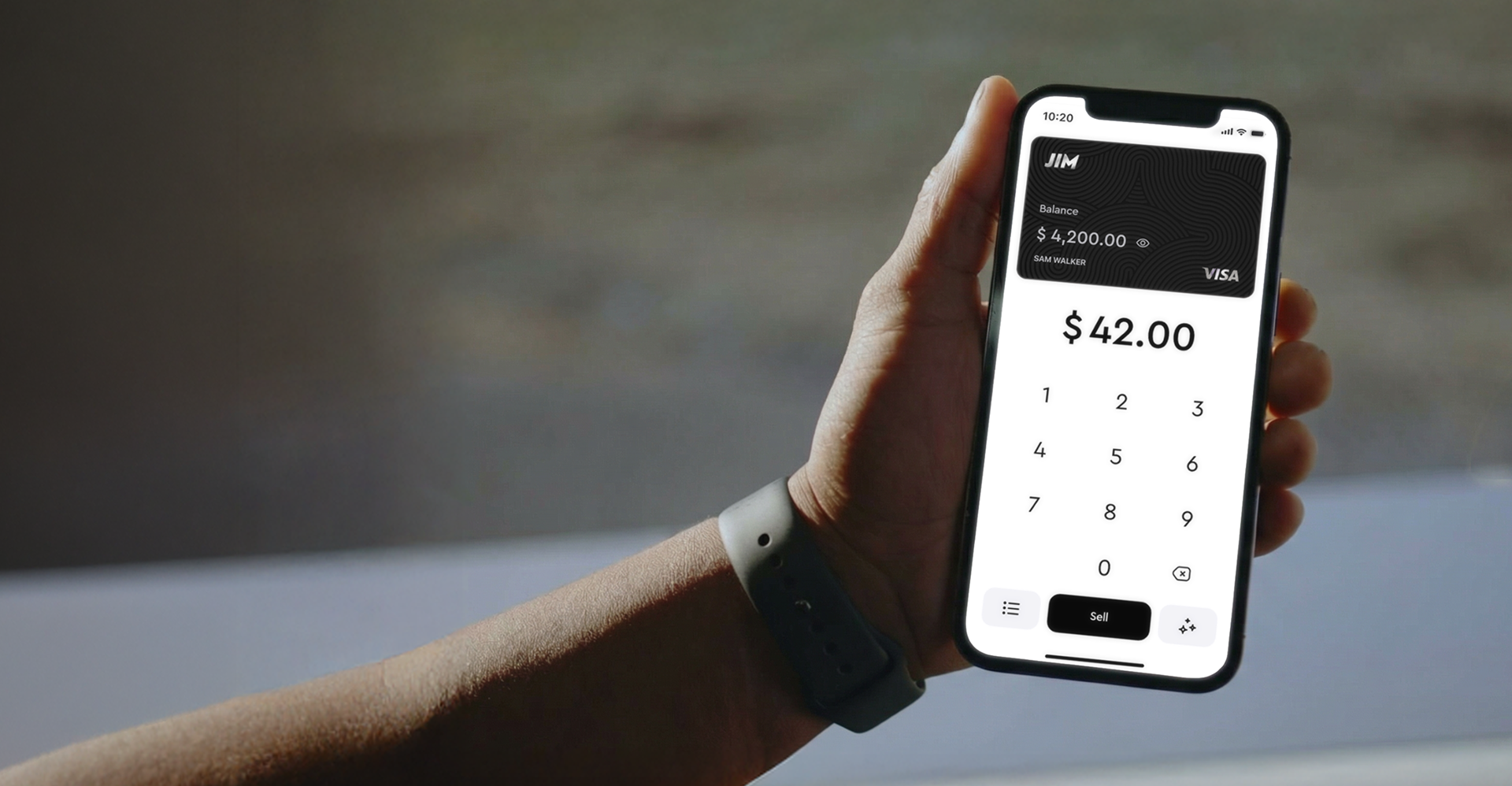
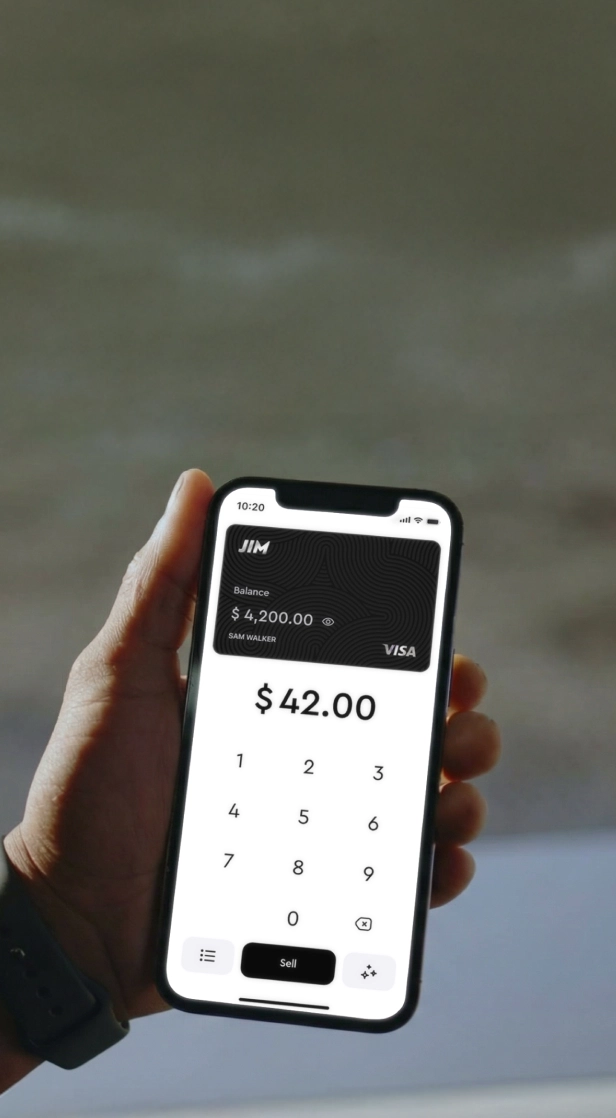
Contactless transactions keep growing year over year as consumers embrace the speed and convenience. Customers tap their phone or contactless card on a terminal to complete transactions with real-time authorization. Mobile payments grew to 11 per consumer per month in 2024. This method is ideal for in-person B2C sales at retail stores, events, and mobile service businesses. Solutions like JIM turn your iPhone into a contactless terminal at a flat 1.99% fee with instant payouts to your JIM Visa® Prepaid Card. The pricing is transparent with no hidden costs. Learn more about how tap to pay works.
Bank Transfers and ACH
ACH pulls funds directly from a customer's bank account to yours, offering lower fees than cards but slower settlement times. Direct bank transfers work well for recurring payments and subscriptions, making it easy to automate billing cycles. ACH payments are more common in B2B contexts than for everyday retail B2C transactions. Some payment platforms also support cross-border payments for international use cases.
Buy Now, Pay Later (BNPL)
Installment payments have surged in popularity, especially among younger consumers making larger purchases. BNPL lets customers pay in installments while the merchant receives the full amount upfront from the provider. Providers typically charge merchants 3% to 6% per transaction for this service.
Offering multiple payment types increases your chances of completing the sale, since customers can pay how they prefer.
Here's a quick comparison of the main B2C payment types:
What Businesses Use B2C Payment Solutions?
B2C payments apply to any business selling directly to individual customers. If your buyers are consumers rather than other businesses, you need a B2C payment solution.
Common B2C business types include:
- Retail stores and boutiques: clothing, electronics, home goods
- Service providers: tutors, fitness instructors, photographers, cleaning services
- Ecommerce businesses: online shops selling consumer products
- Event vendors: farmers markets, pop-up shops, craft fairs
- Mobile businesses: landscapers, contractors, delivery services
- Subscription services: streaming, software for personal use
If your customers are individuals paying for goods or services, you need a B2C payment solution that matches how and where you sell.
How to Choose the Right B2C Payment Solution
The right solution depends on where you sell, how you sell, and what your customers prefer. Asking the right questions upfront saves you from switching providers later.
Consider these factors when evaluating options:
- Where do you sell? In-person, online, or both? In-person businesses need POS capability or mobile payment acceptance. Online stores need payment gateway integration, often through an API connection.
- What do your customers prefer? Younger buyers favor digital wallets and contactless payments. Older demographics may prefer traditional cards.
- What are the fees? Compare per-transaction rates and processing fees. Watch for monthly charges, hardware costs, and hidden fees that add up over time.
- How fast do you need funds? Some processors settle in 1 to 3 days. Others offer instant access to your money, which helps maintain healthy cash flow.
- Is it secure? Look for encryption, tokenization, and PCI DSS compliance to protect customer data.
- What functionality do you need? Consider whether you need features like recurring billing, reporting, or the ability to process both one-time and subscription payments.
For businesses selling in person to consumers, payment solutions that combine low fees, fast payouts, and no hardware requirements offer the most flexibility.
Accept B2C Payments Without the Complexity
B2C payment solutions let you meet customers where they are, from cards to digital wallets to contactless. Whether you handle one-time transactions or recurring subscriptions, the right payment platform can streamline operations, automate workflows, and improve customer satisfaction. The right choice depends on your sales environment and customer preferences.
Selling in person doesn’t have to mean extra hardware or fees. JIM turns your iPhone into a contactless terminal at a flat 1.99% per transaction. Accept Visa, Mastercard, Amex, Apple Pay, and Google Pay with instant payouts to your JIM Visa® Prepaid Card. No hardware to buy, no monthly fees, and no waiting days for settlement.
Start accepting payments the simple way. Download JIM today.
.avif)