The line at your counter is growing, and a customer fumbles through their wallet for exact change while three others check their watches. This scenario plays out daily for businesses that haven't yet discovered the benefits of contactless payments.
Contactless payment systems now account for over 75% of all transactions globally according to Mastercard, a permanent shift in how customers expect to pay. These transactions speed checkout by 60%, reduce fraud through encryption, and meet hygiene expectations. For retailers, service providers, and mobile businesses alike, offering this option isn't optional anymore.
Let’s break down the benefits and trade-offs so you can see if contactless makes sense for your operation.
Why Contactless Payments Matter Now
Customer expectations have shifted permanently since 2020 accelerated mobile payment adoption. 53% of U.S. consumers now prefer contactless for in-store payments, with that figure climbing to 65% among Gen Z. The global market is projected to reach $18.1 trillion by 2030, and businesses that don't offer tap-to-pay risk losing sales to competitors who do.
For business owners, these shifts translate into tangible outcomes. Accepting contactless payments means shorter lines, fewer abandoned sales at checkout, and the ability to serve customers who no longer carry cash. It also signals that your operation is modern and customer-focused, a perception that influences where people choose to spend their money.
Key Benefits for Your Business
This approach delivers concrete operational improvements across speed, security, customer satisfaction, and cost efficiency. Each advantage translates directly to your bottom line, whether you're running a boutique,* mobile business*, or service-based operation.
Faster Checkout and Shorter Lines
Speed is the most visible benefit for both you and your customers. These transactions complete in seconds compared to traditional options requiring card insertion, PIN entry, and receipt printing. Research shows merchants who enable this payment method see doubled transaction growth compared to those who don't, meaning you serve more customers during peak hours without hiring additional staff.
This speed advantage matters most in high-volume in-person environments. Retail stores, pop-up shops, and mobile service providers see the biggest gains, where every second saved per transaction compounds across hundreds of daily customers.
Security and Fraud Protection
Security concerns often hold merchants back from new solutions, but this reduces risk. Near-field communication encrypts every transaction. Instead of transmitting your customer's actual credit card number and payment information, NFC-enabled terminals generate a unique token through tokenization that's useless if intercepted. This encryption happens automatically with each tap.
The credit card never leaves your customer's hand, eliminating skimming risks common with traditional card readers. EMV-compliant contactless payment systems also meet PCI DSS standards, reducing your liability and simplifying compliance requirements. For more on how this technology works, see our guide on accepting card payments.
Improved Customer Experience and Satisfaction
Meeting expectations matters. According to S&P Global 451 Research, 82% of cardholders who receive a contactless card actively use it, demonstrating strong consumer demand for this checkout experience. Your customers can pay with Apple Pay, Google Pay, Samsung Pay, smartwatch devices, and debit cards. Android users especially benefit from mobile wallet options built into their devices.
This flexibility matters for younger demographics especially. Gen Z and Millennials increasingly prefer digital wallets over traditional credit card transactions. Meeting customers where they are builds loyalty and repeat business.
Hygiene and Reduced Physical Contact
The pandemic permanently changed consumer attitudes toward shared surfaces, making this approach a hygiene advantage that continues to influence purchasing decisions.
Health consciousness remains elevated. No card handling between customer and staff means cleaner transactions. Research found that 79% of Americans consider this approach more hygienic than traditional methods, and that preference hasn't reversed. Retail, field service, and mobile businesses benefit most from eliminating physical contact during the checkout process.
Lower Hardware Maintenance Costs
Equipment costs add up over time. Traditional card readers wear out from constant chip insertion. Modern terminals experience less mechanical stress, extending equipment life and reducing repair frequency. Even better, mobile point-of-sale solutions eliminate the card reader entirely, turning your smartphone into a payment terminal.
These advantages translate directly to operational savings, faster service, and repeat customers who appreciate how this approach can streamline operations.
Risks of Contactless Payment
No payment method is without trade-offs. Knowing the limitations helps you prepare your team and set realistic customer expectations.
Transaction Limits
Some cards require PIN entry above certain thresholds, typically $100 to $250 depending on the card issuer. This can slow checkout for higher-value purchases, though most everyday transactions fall well below these limits.
Hardware Requirements
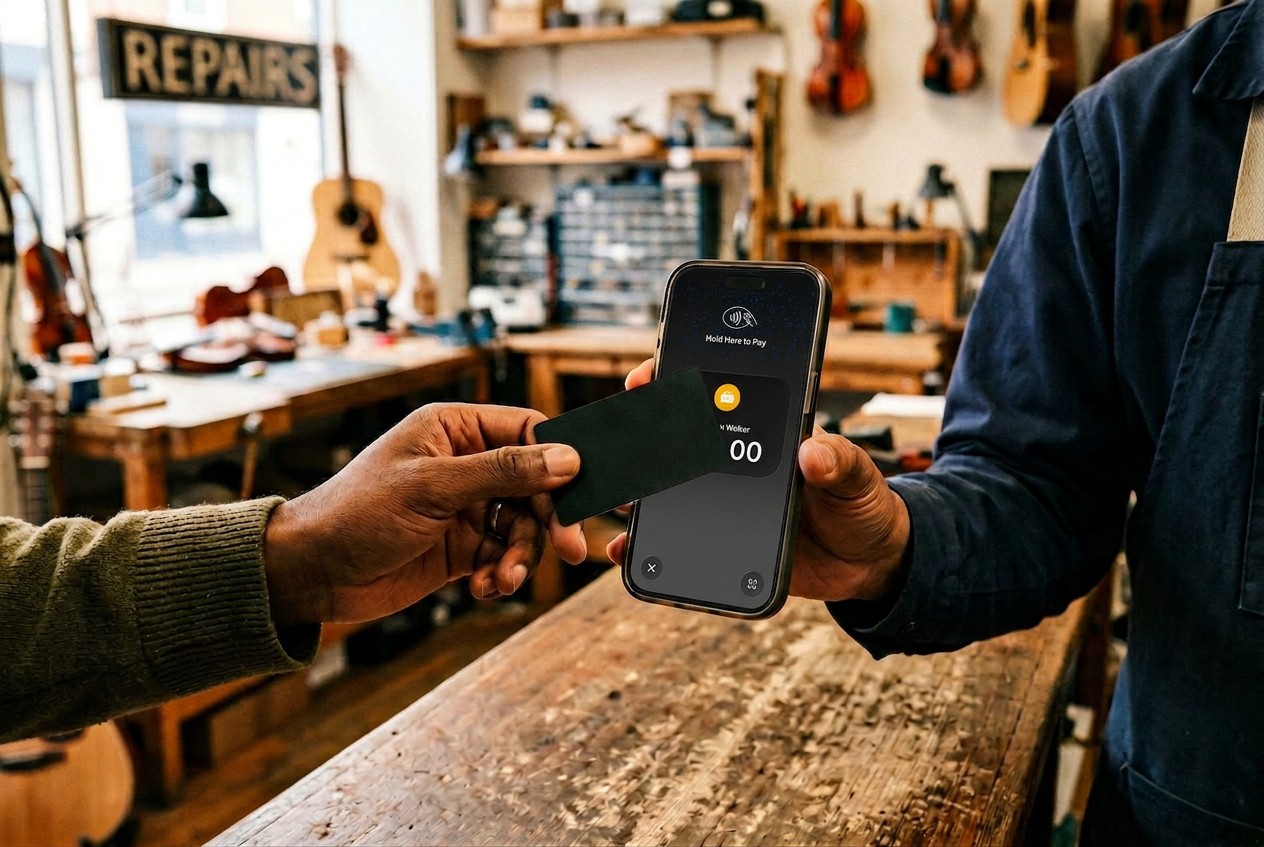
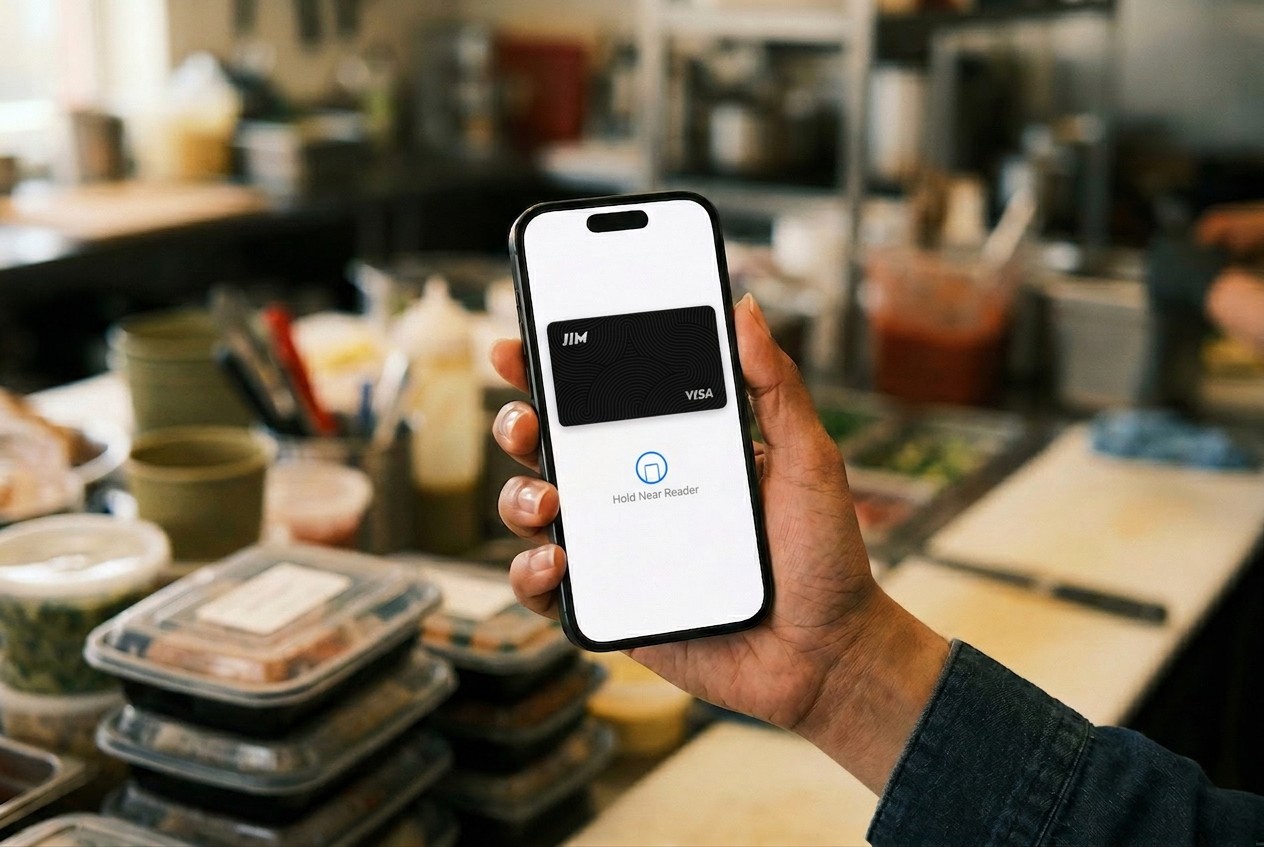
Older POS systems may need upgrading to accept tap payments. However, solutions like Tap to Pay on iPhone eliminate this barrier entirely by turning your existing device into a terminal.
Connectivity Dependence
Contactless transactions require an internet or cellular connection, which matters for mobile businesses operating in areas with spotty coverage. Having a backup payment method available helps avoid lost sales.
Accidental Charges
While rare, a card held too close to an active terminal can register an unintended tap. Clear communication and proper terminal positioning minimize this risk.
For most small businesses, the benefits far outweigh these limitations, especially with modern payment solutions that eliminate hardware costs entirely.
Accept Contactless Payments Without the Complexity
The advantages are clear: faster checkout, better security, improved satisfaction, and lower equipment costs. The question is how to implement without adding complexity to your operations.
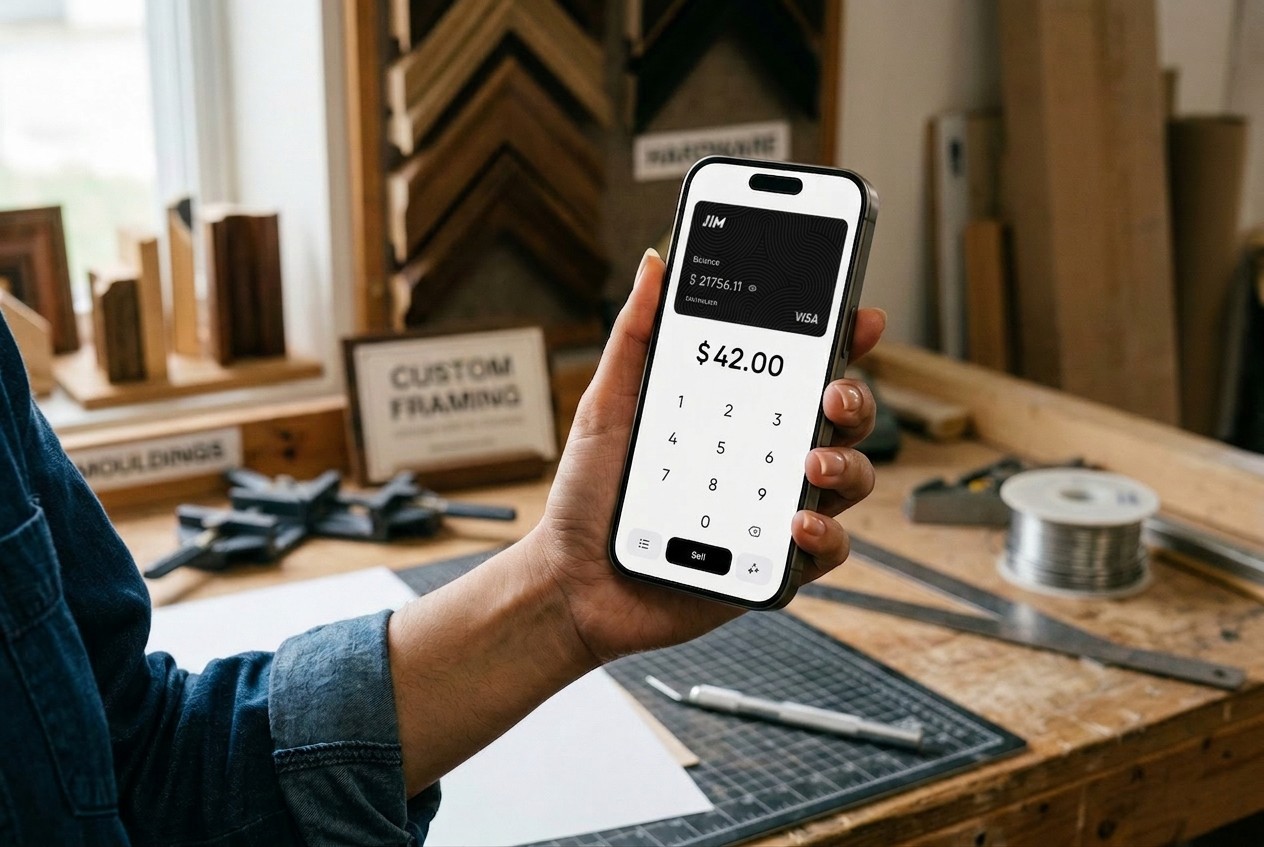
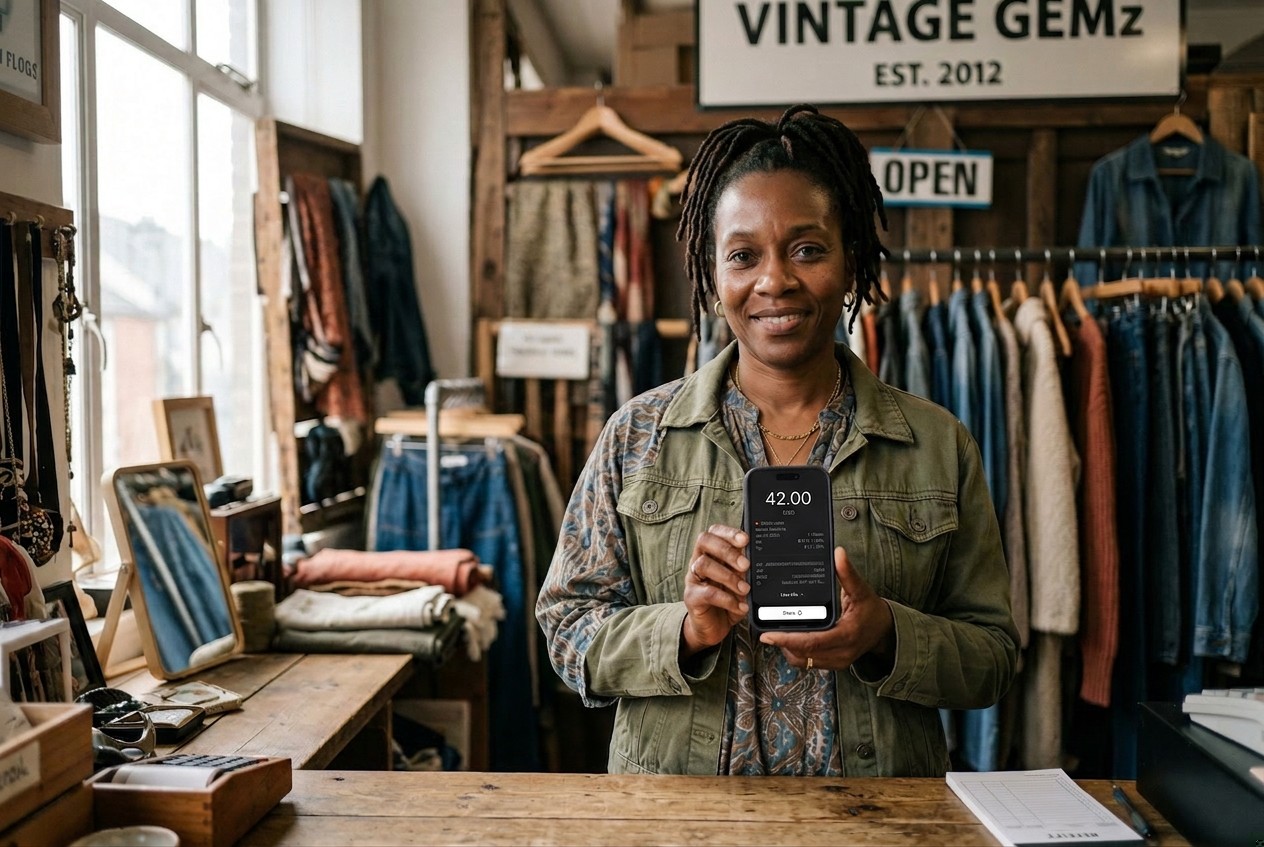
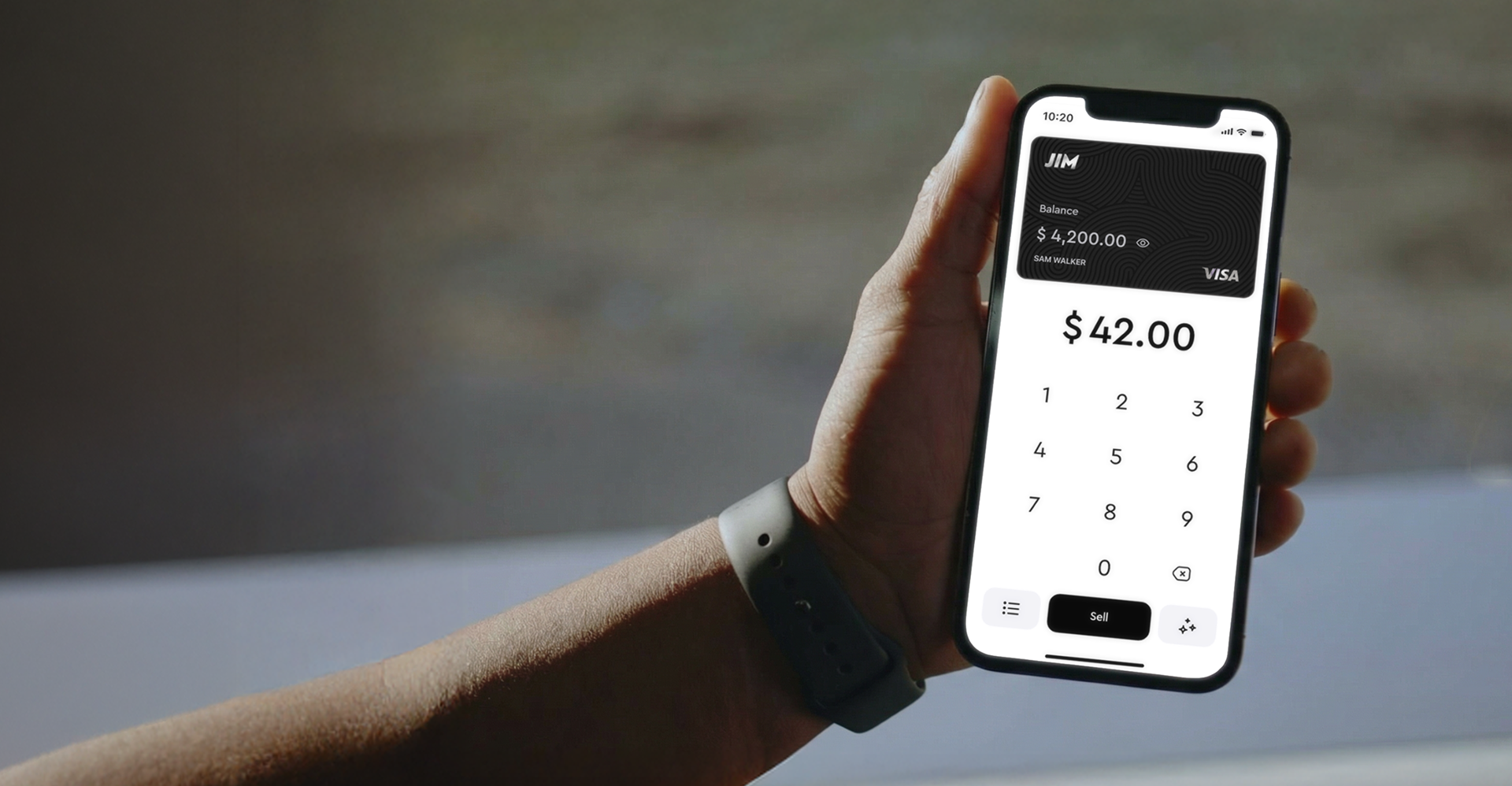
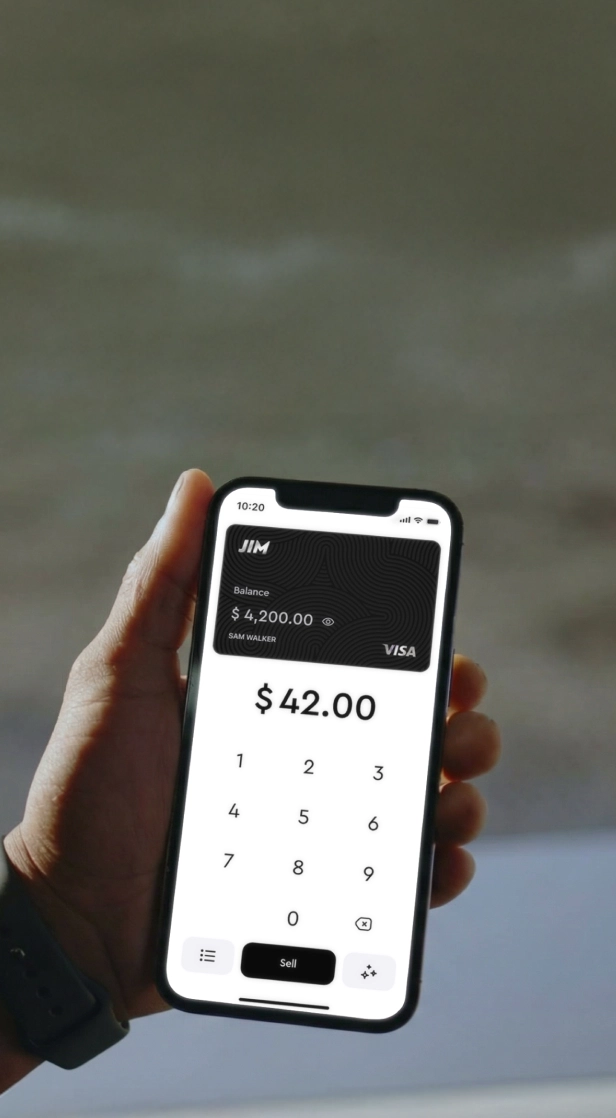
JIM offers a streamlined alternative. With Tap to Pay on iPhone, your device becomes a terminal at a flat 1.99% per transaction, with instant payouts to your JIM Visa® Prepaid Card. No hardware to purchase, no monthly fees, and setup takes minutes. Whether you run a retail shop, mobile service, or pop-up, you serve more customers with less friction.
Ready without setup headaches? Download JIM and start accepting payments today.
.avif)