You’re reviewing your monthly payment processing fees again, and the numbers keep climbing. Between chargebacks, rising fraud risks, and complex compliance requirements like the Payment Card Industry Data Security Standard (PCI DSS), accepting card payments can feel overwhelming. What if you could make your payment system both more secure and more efficient?
Payment tokenization does exactly that. This layered security method protects your customers’ sensitive payment details, such as their primary account numbers (PANs) or credit card numbers, while streamlining checkout and reducing compliance complexity. For small businesses that rely on debit and credit card payments daily, understanding how tokenization works helps you strengthen customer trust and simplify operations.
Why Payment Tokenization Matters for Your Business
Whenever a customer taps, swipes, or enters their card online, sensitive cardholder data passes through your payment system. Fraudsters and hackers actively target this data to steal money or commit identity theft. According to the IBM Cost of a Data Breach Report, breaches can cost small businesses millions and permanently harm customer relationships.
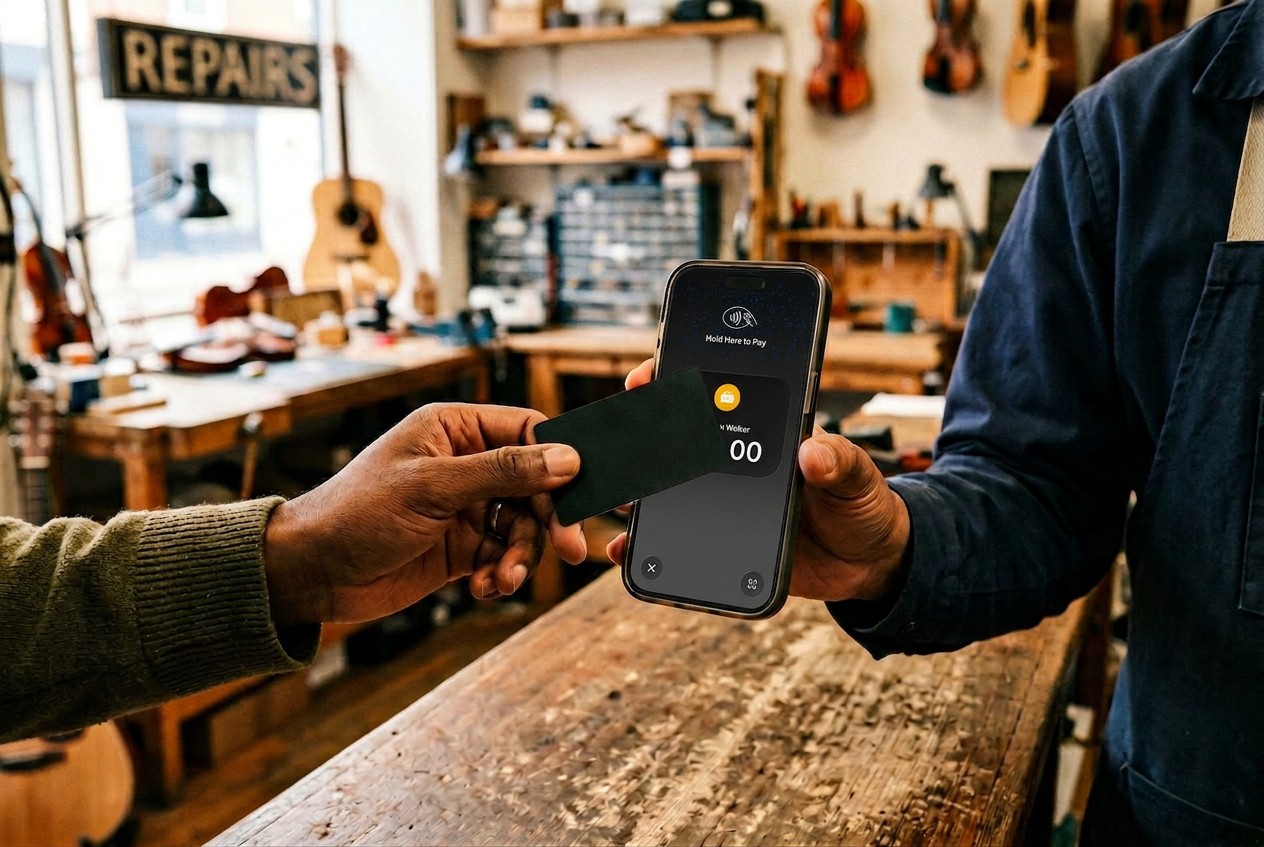
Payment tokenization minimizes that risk by converting customers’ card data into secure, non-valuable tokens during processing. These tokens have no relationship to the original data outside of a controlled network environment. Tokenization strengthens digital payments across ecommerce, mobile, and in-store transactions, powering digital wallets, recurring payments, and Tap to Pay experiences.
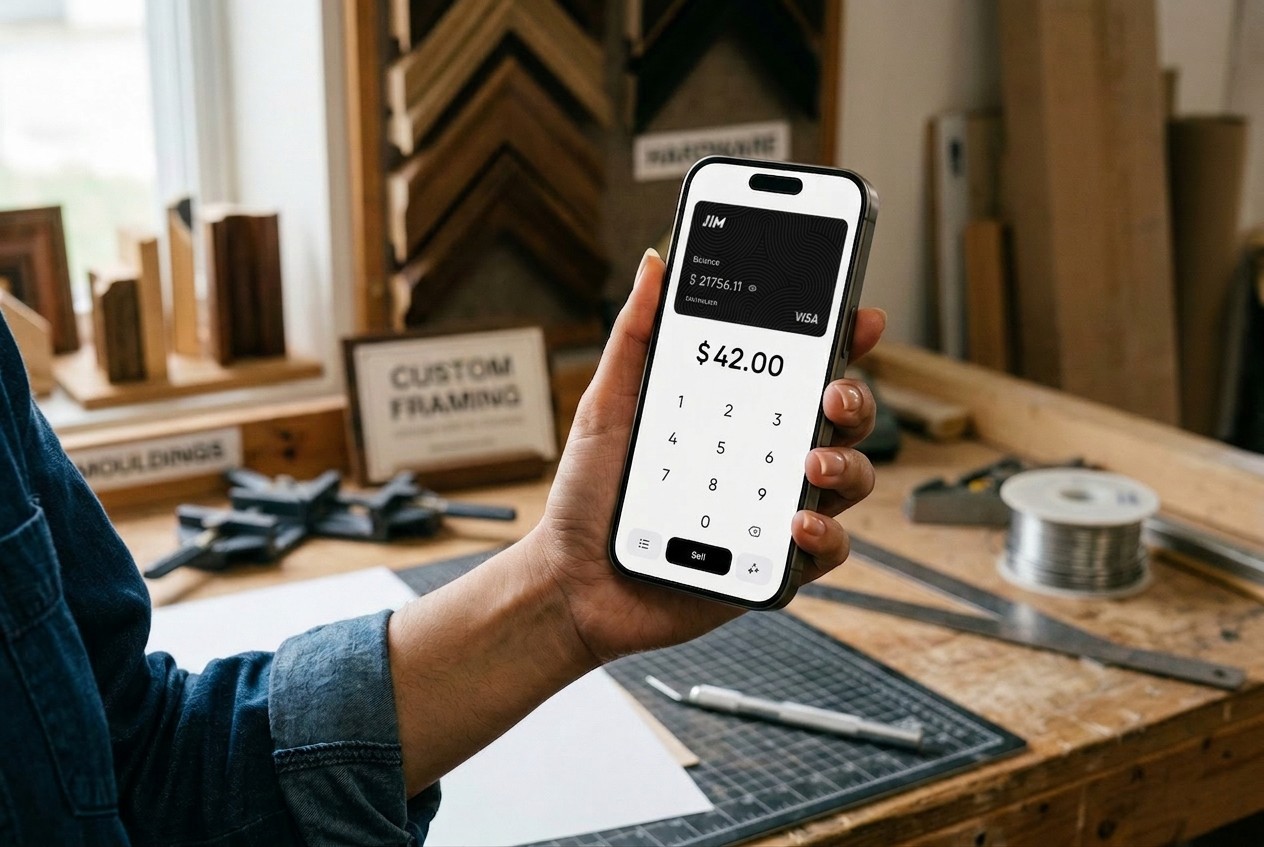
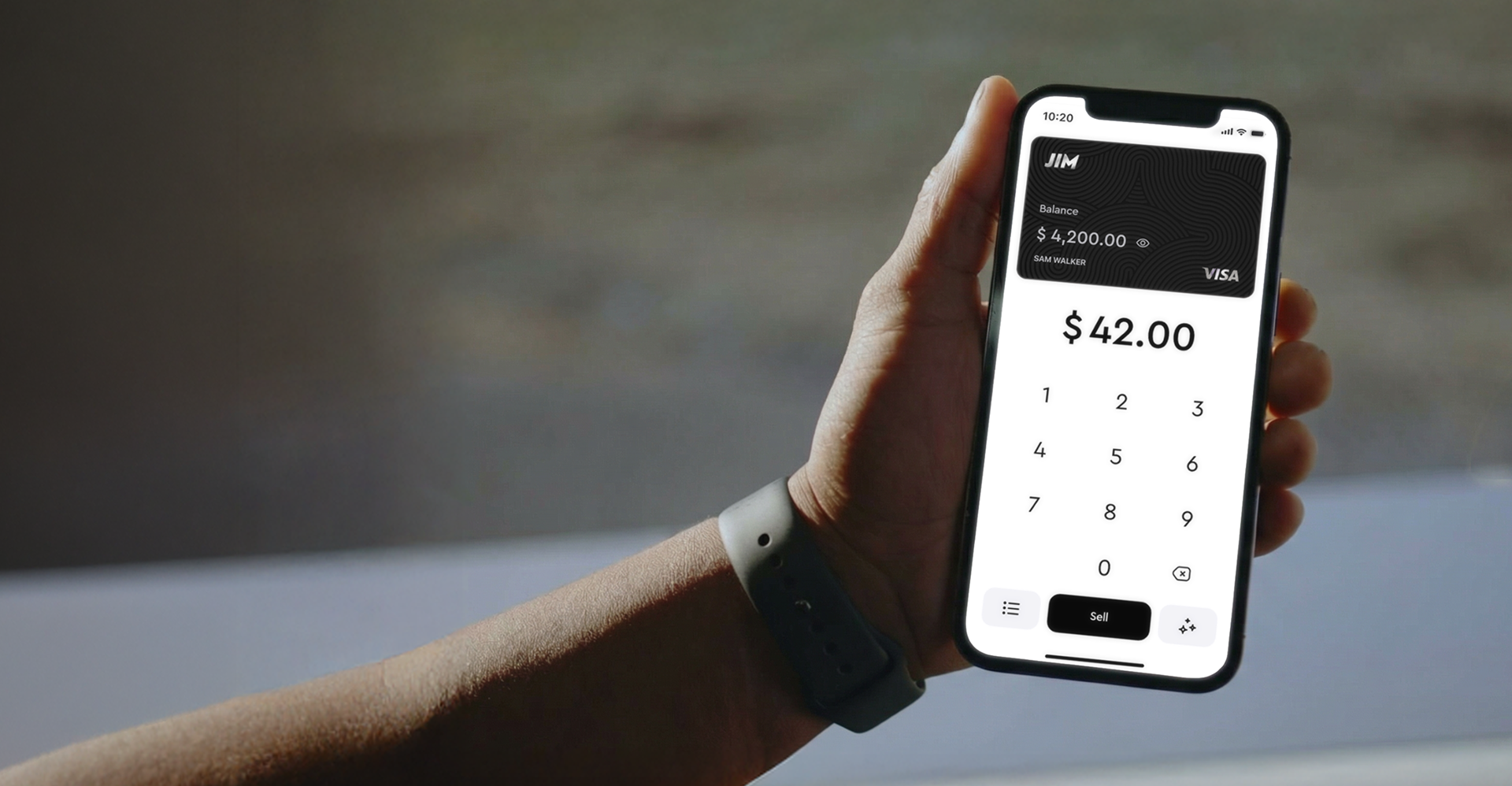
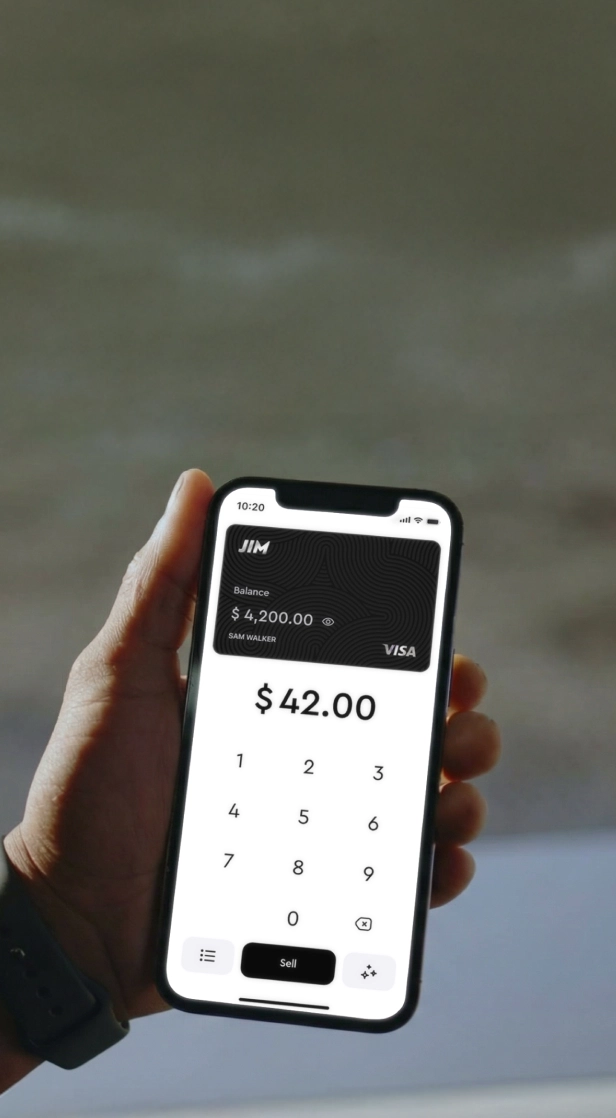
If you’re looking for an integrated mobile solution, consider JIM’s Tap to Pay on iPhone. JIM uses tokenization technology with a flat 1.99% fee, transforming your phone into a point-of-sale system that protects every transaction in real time.
What Is Payment Tokenization?
Payment tokenization replaces sensitive card information with a unique token created by a token service provider. When customers make a payment, their actual credit card number or primary account number is replaced with a random token generated through an advanced algorithm. This secure token is useless if intercepted, and it can’t be reverse-engineered to reveal the original payment details.
Think of tokenization as a coat-check system. You hand in your valuable coat and receive a meaningless tag in return. Only the service provider behind the counter can match the ticket to the coat. In the same way, a payment token can only be connected to the actual card information within a secure, end-to-end payment system managed by the provider.
How Does Payment Tokenization Work?
Each time a customer initiates a digital payment, whether in-app, online, or in-store, the following steps occur behind the scenes:
Step 1: Data Collection
During checkout, customers provide card data or use their digital wallets. The payment processor captures this customer payment information securely and encrypts it for transmission.
Step 2: Token Generation
A token service transforms the primary account number into a new, unique token. The algorithm may mirror the format of a credit card number, allowing compatibility with existing payment methods.
Step 3: Secure Storage
The original data, your customers’ card details, is encrypted and stored in a highly protected token vault. Only the tokenization provider can access or decrypt it.
Step 4: Token Usage
For recurring payments or future transactions, your payment solution uses the tokenized data rather than the real card number. The provider securely maps the token to the card issuer in real time during payment processing.
Step 5: Authorization and Settlement
The payment system forwards the token to the payment processor. The vault performs decryption and sends the verified card data to complete the transaction. Funds settle to your account after successful authorization.
Types of Payment Tokenization
Different token formats support different use cases in credit card tokenization.
- Network Tokens: Card networks such as Visa and Mastercard use standardized network tokens that work across multiple processors. These tokens boost authorization rates and authentication accuracy for Apple Pay, Google Pay, and other mobile wallets.
- Gateway Tokens: Created by specific payment processors, these tokens secure payments within a single ecosystem. They work well for online stores using one provider.
- Vault Tokens: Many e-commerce and subscription platforms rely on vault tokens for recurring payments. The provider’s secure token vault eliminates the need to store customers’ card numbers internally.
- Format-Preserving Tokens: These tokens replicate the structure of a credit card number, simplifying integration into legacy systems that lack modern APIs.
Benefits of Payment Tokenization
Payment tokenization replaces sensitive card information with randomized tokens that cannot be reused outside a specific transaction flow. This approach strengthens security while simplifying payment processing across ecommerce and in-store environments.
Enhanced Payment Security
Removing sensitive data from your environment prevents exposure during data breaches. Even if hackers penetrate your systems, they only access scrambled, non-sensitive information.
Reduced PCI DSS Compliance Scope
Because tokens don’t qualify as cardholder data, your PCI DSS compliance responsibilities shrink considerably, lowering both cost and risk.
Improved User Experience
Tokenization makes digital and contactless payments faster and smoother. Customers get real-time approvals without the lag caused by repeated authentication or data entry.
Streamlined Recurring Payments
For membership businesses or subscription services, tokenization streamlines recurring billing since tokens can be reused for future transactions without requiring customers to re-enter details.
Better Fraud Prevention
Each token ties specifically to one customer and one cardholder account. This end-to-end mapping reduces chargebacks and fraud attempts across e-commerce and mobile payments.
Future-Proof Compatibility
Because tokenization integrates with payment systems supporting both mobile and in-store contactless transactions, it strengthens your readiness for the next wave of digital payments.
Limitations to Consider
While payment tokenization strengthens security and simplifies recurring billing, it introduces operational constraints that business owners should plan for in advance.
- Plan for provider lock-in: Tokens generated by one payment processor are not always portable to another, so migrating systems later can require re-tokenizing customer payment data.
- Prepare for integration effort: Implementing tokenization may involve updating APIs, modifying checkout logic, or adjusting POS workflows to handle secure tokens correctly.
- Account for platform availability: Because authorization depends on the provider’s token vault, outages or latency can disrupt real-time transaction processing if your infrastructure is not resilient.
Real-World Payment Token Examples
Tokenization is already embedded across modern payment methods, protecting cardholder data in everyday business scenarios. These examples show how tokens support secure payment processing across ecommerce, subscriptions, and in-person sales.
Apple Pay
Each Apple Pay transaction replaces the PAN with a device-specific token, keeping your customers’ cards secure during contactless or in-app purchases.
Ecommerce
An online boutique can process returning customers’ orders using their saved tokenized data, avoiding exposure of the true card number and improving customer trust.
Subscriptions
A gym running monthly memberships can use network tokens for recurring transactions, automatically updated when customers’ card details change.
Mobile Businesses
Food truck owners using Tap to Pay systems collect payments instantly; every transaction is tokenized and processed securely without storing payment information locally.
Payment Tokenization vs. Other Security Methods
Tokenization is often compared to traditional payment security controls, but it plays a different role in reducing long-term risk. Understanding how it differs from encryption and PCI-only approaches helps business owners design safer payment processing systems.
- Compare encryption and tokenization: Encryption hides card numbers using cryptographic keys, but the data must still be decrypted at some point. Tokenization removes the original payment details from your environment entirely, so stolen tokens cannot be converted back into usable card information.
- Go beyond PCI DSS compliance: PCI DSS defines security standards, but it does not eliminate your responsibility for handling sensitive payment data. Tokenization reduces how much cardholder data your systems ever touch, shrinking audit scope and lowering exposure.
- Distinguish P2PE from tokenization: Point-to-point encryption protects card numbers while they travel between devices, but tokenization replaces those numbers altogether. Using both together provides layered protection and stronger data isolation across POS systems and online checkout.
Choosing a Tokenization Provider
The provider you select determines how securely payment data is handled across your POS systems, mobile devices, and online checkout. Evaluating security, portability, and long-term reliability up front prevents costly migrations later.
- Verify PCI DSS certification and audits: Confirm that the provider maintains current PCI DSS compliance and publishes clear security audit practices.
- Prioritize simple API integrations: Choose platforms with well-documented APIs to reduce development effort and speed up deployment.
- Ensure token portability: Use network tokens where possible so customer payment data can move across processors if your business needs change.
- Compare cost against risk reduction: Balance tokenization fees against savings from reduced compliance scope, fraud prevention, and chargeback losses.
- Assess uptime and customer support: Reliable infrastructure and responsive service providers are essential for real-time transaction processing.
Small businesses seeking a complete solution can adopt JIM’s Tap to Pay on iPhone. It merges tokenization, instant settlement, and simple pricing for secure checkout both in-app and in person.
Making Secure Tokenization Work for Your Business
Whether you’re running a coffee shop, a farmers market, or an online service, implementing tokenization boosts both security and customer experience. It safeguards sensitive payment information, supports multiple payment methods, and streamlines compliance under PCI DSS standards.
With flexible, end-to-end mobile payment tools like JIM, you can protect customer payment information, process transactions in real time, and keep more of each sale through clear 1.99% pricing. Tokenization ensures your business runs securely today—and stays ready for tomorrow’s digital payments.
.avif)