Dental payment processing costs are rising fast, but do you know what they are actually costing your practice?
Credit card payments at dental offices have surged over the past decade. Data from the Association of Dental Managers shows the average practice processed $44,925 per month in 2023, a 195% increase since 2009. At the same time, effective processing rates climbed to 3.53%, up from 3.06% in 2019. The result is a sharp increase in fees compared to just a few years ago. What does this mean for your practice, and how can you keep those costs under control?
Here you’ll know how dental payment processing works, breaks down the real costs, and shows you how to reduce fees while improving patient payments and cash flow.
Why Do Dental Payment Costs Matter Now?
Patients increasingly pay with cards, digital wallets, and financing options. According to Federal Reserve research, credit card payments continue to grow year over year, and that shift toward electronic payment methods has pushed monthly processing fees to new highs for dental practices. The average practice now pays roughly $1,585 per month compared to $944 per month in 2019. Over a year, that adds up to nearly $19,000 leaving your practice in transaction fees alone.
Beyond cost, modern dental practice POS options directly impact the patient experience and your accounts receivable. Practices that offer convenient ways to pay see faster collections and fewer outstanding balances. Hence, understanding your credit card processing fees helps you manage costs more effectively.
How Dental Payment Processing Works
Processing a patient payment involves multiple parties, each taking a cut of every transaction. Understanding this flow shows you where your money goes and where you can negotiate better pricing, especially if you’re just starting a new dental practice.
Let's walk through how a patient payment moves through the system and where fees accumulate at each step.
The Payment Flow
When a patient pays with a card at your checkout, whether in-office or through an online payment portal, the transaction follows a specific path that affects your bottom line:
- Your payment processor routes the transaction to the card network (Visa, Mastercard, American Express)
- The issuing bank authorizes the payment and transfers funds in real-time
- Funds settle to your practice's merchant account, typically within 1 to 3 business days
Each step in this chain involves fees and timing that directly impact your cash flow.
Fee Components
Each party in the payment chain collects a portion of your transaction. Here's what makes up your total credit card processing cost:
- Interchange fees: Paid to the card-issuing bank, typically 1.5% to 2.5% depending on card type
- Assessment fees: Paid to card networks like Visa and Mastercard, usually 0.13% to 0.15%
- Processor markup: Your payment processor's margin, ranging from 0.2% to over 1%
- Monthly and equipment fees: Terminal rentals, PCI compliance charges, statement fees, and other recurring costs
These layers add up quickly. Knowing each component helps you negotiate better rates or find alternatives that streamline your payment workflows.
What to Look for in Dental Payment Processing
The right payment solution balances low fees with functionality that improves collections and patient satisfaction. Not all payment platforms offer the same capabilities, so knowing what matters most for dental practices helps you evaluate your options.
Key Capabilities
When comparing dental payment processing solutions, prioritize features that reduce manual entry and make it easier for patients to pay:
- Card-on-file storage: Securely save patient card information for recurring payments and payment plans
- Text-to-pay and email invoicing: Send payment requests via text messages or email to streamline collections and reduce follow-up calls
- Contactless payments: Accept Apple Pay, Google Pay, and tap-to-pay cards with EMV chip security
- Automatic payment posting: Integrates with dental software to eliminate manual entry and save staff hours each month
- HIPAA and PCI compliance: Protects patient information and card data while reducing your liability
These features directly impact how quickly you collect patient payments and how much time your front desk team spends on billing workflows.
Payment Plan Support
For high-value procedures, flexible payment options reduce patient hesitation on treatment acceptance. Payment plans let patients spread costs over time while you receive funds quickly. Look for integrated payment solutions that connect smoothly with your practice management software and automate eligibility verification.
Prioritize solutions that cut administrative work and give patients convenient ways to pay. Explore in-person payment options that fit your practice needs.
What Dental Practices Actually Pay for Payment Processing
Many practices don't realize their effective rate until they calculate it themselves. Use this formula: Total Fees Paid ÷ Total Dollars Processed = Effective Rate. The results often surprise practice owners.
The table below shows how dental payment processing costs have changed over recent years:
*Source: Best Card/Association of Dental Managers
For a practice processing $45,000 monthly, even a 0.5% rate reduction saves over $2,700 per year.
How to Reduce Dental Payment Processing Costs
Practices have several strategies to lower processing expenses without sacrificing convenience or the payment experience. Small rate reductions compound quickly when you're processing $40,000 or more each month.
Here are the most effective approaches:
- Negotiate your rate: Many processors offer lower rates if you ask, especially for high-volume practices
- Choose flat-rate pricing: Predictable fees (like JIM's flat 1.99%) simplify budgeting compared to tiered or interchange-plus models
- Encourage debit over credit: Debit cards typically carry lower interchange fees than credit cards
- Consider surcharging: Pass processing fees to patients where legal, with clear disclosure
- Audit your statements: Look for hidden monthly fees, PCI non-compliance charges, and equipment markups
- Reduce chargebacks: Clear billing descriptions and secure payment confirmations lower dispute rates
Each percentage point you save stays in your practice. For practices evaluating their options, best credit card processing for small business provides a helpful comparison framework.
Mobile Payment Options for Dental Practices
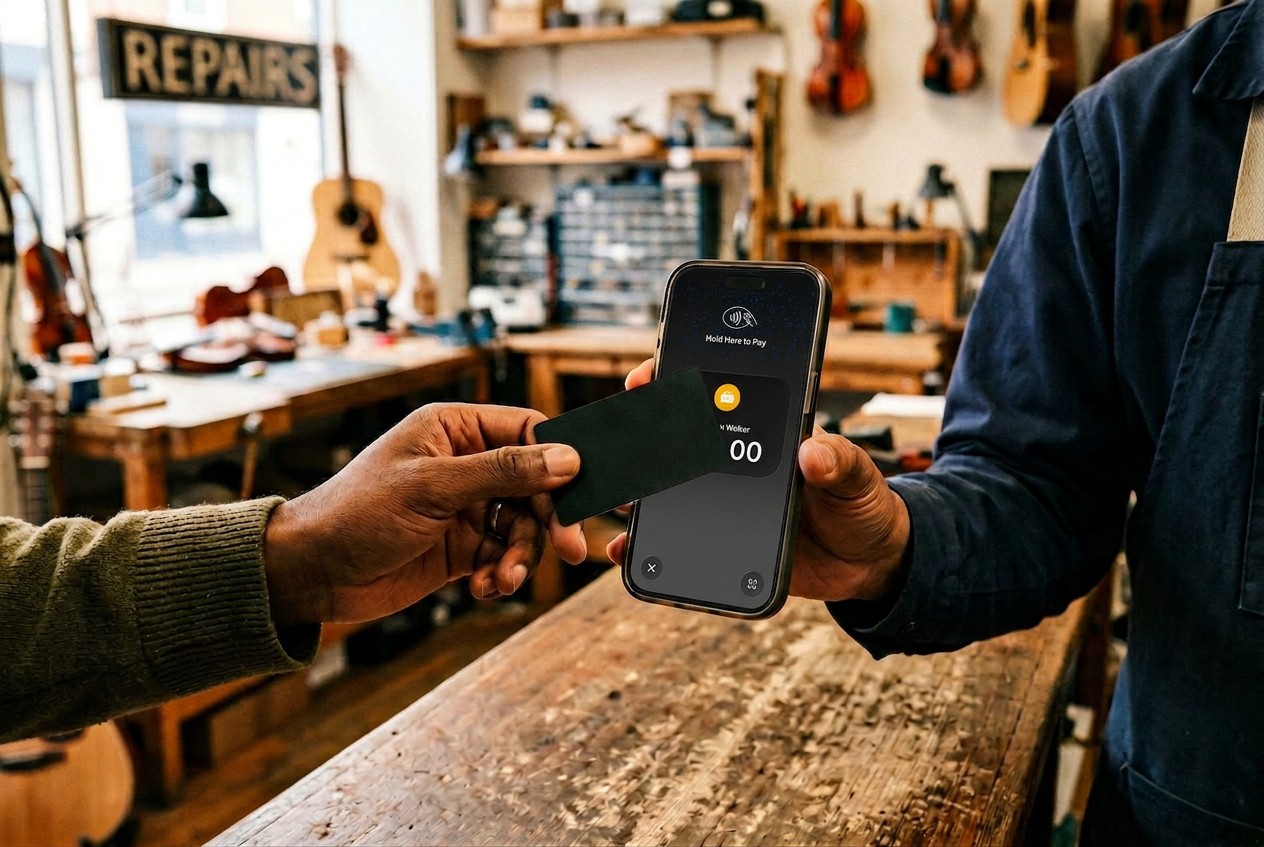
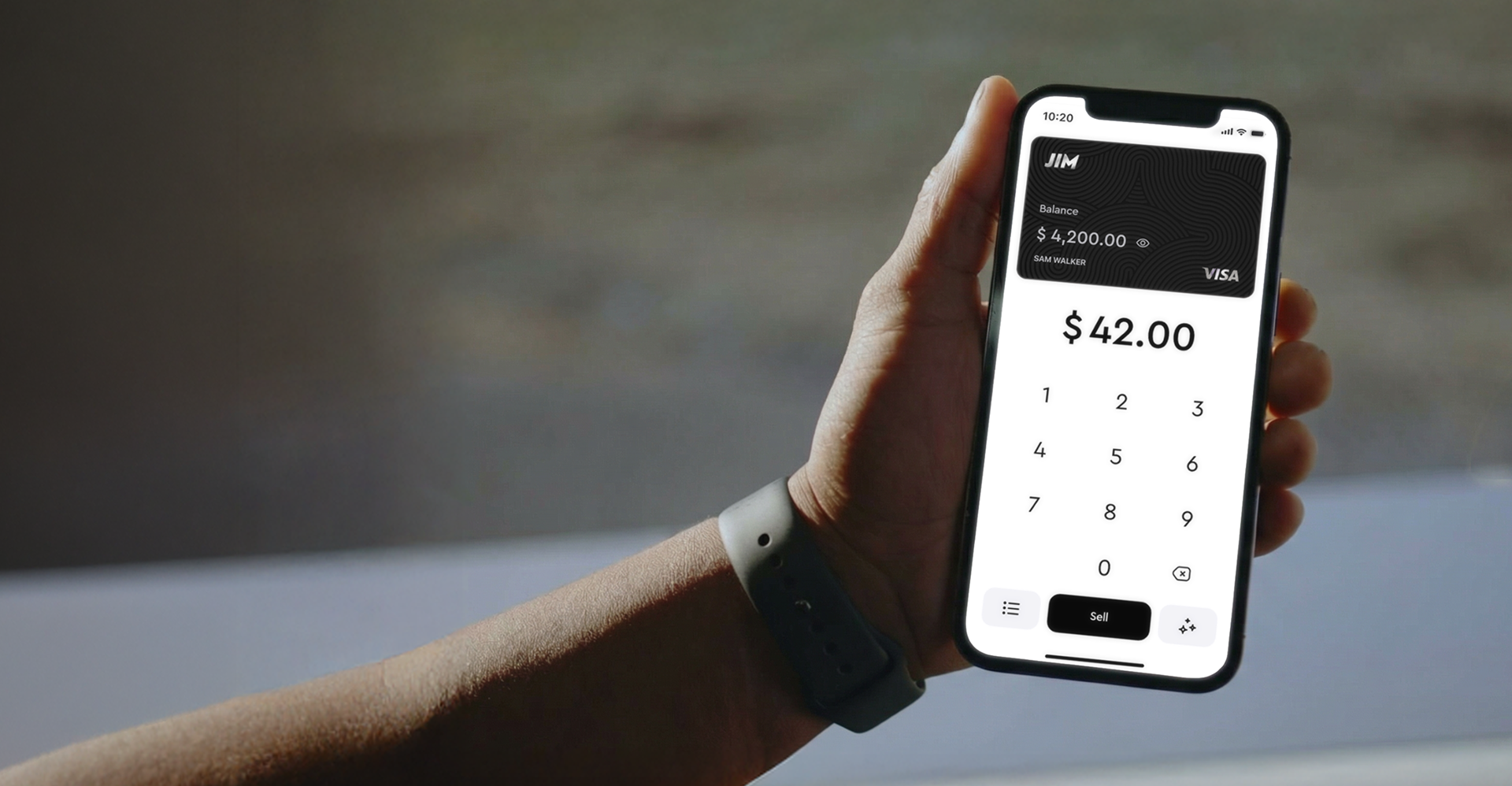
Mobile payment solutions let dental practices accept payments anywhere, including chairside, in consultation rooms, or at community events, without traditional terminals. Tap-to-pay on a smartphone removes hardware costs and maintenance, turning your iPhone into a secure payment terminal. This is especially useful for multi-location practices, mobile clinics, and offsite consultations, and instant fund access improves cash flow compared with the standard one to three day settlement period.
For simple in-person payments, JIM offers tap-to-pay on iPhone at a flat 1.99% fee with instant payouts to the JIM Visa® Prepaid Card. No card readers, monthly fees, or hidden costs. You can also use payment links to collect balances remotely.
Take Control of Your Dental Payment Processing Costs
Dental payment processing costs have climbed alongside card volume. Knowing your effective rate and evaluating your options can recover thousands annually. The practices that stay profitable are the ones that treat processing fees as a negotiable expense, not a fixed cost.
Ready to simplify payments at your practice? Download JIM and start accepting card payments today.
.avif)