Your customers pull out their phones, tap, and walk away in seconds. They expect checkout to be fast, flexible, and frictionless. Fumbling with bills and counting physical cash feels like a relic of another era.
The shift toward a cashless society is real. In 2024, 86.9% of U.S. point-of-sale transactions were cashless. For businesses like food trucks, boutiques, or service providers, accepting digital payments helps you stay competitive and meet customer expectations. It also streamlines operations by reducing cash handling, lowering theft risk, and simplifying reconciliation.
Here, you’ll learn what cashless payment means, the types of cashless payment available, advantages and disadvantages, and how to choose the right cashless payment system for your business.
What Is a Cashless Payment?
A cashless payment is any transaction completed without physical currency. Instead of paper money, coins, and bills, money moves electronically between bank accounts through payment networks, card systems, or digital wallets.
Cashless payment options include credit and debit card payments, mobile wallets like Apple Pay and Google Pay, bank transfers, and contactless payments where you tap a card or phone near a reader. According to Stripe, cashless payments encompass card transactions, mobile payments, direct debits, and online payment systems. In 2025, 84% of U.S. payments were made digitally.
One key point for merchants: cashless does not mean free. Payment processing fees typically range from 1.5% to 3.5% per transaction, depending on your service provider and payment method. Tracking these costs helps you budget accurately and compare credit card processing fees across solutions.
Is the United States Going Cashless?
The trajectory points toward a cashless society, though cash transactions persist. 47.8% of American adults make no cash purchases in a typical week, and projections indicate 94.1% of U.S. point-of-sale transactions will be cashless by 2027.
Cash payments still account for 14% of transactions, especially among lower-income households. Some states and cities require businesses to accept cash to protect consumers without bank accounts. For planning purposes, you'll likely need to support a mix of cashless payment options while maintaining cash as a fallback.
No country has gone fully cashless yet. Sweden comes closest to a cashless society, with only 10% of transactions using physical currency. The pandemic accelerated the shift globally, but a fully cashless ecosystem remains distant.
Small businesses are increasingly exploring in-person payment options beyond cash to meet customer preferences while keeping operations flexible.
Types of Cashless Payments
Not all cashless payment methods work the same way, and your customers likely use several types of cashless payment depending on the situation. Understanding the differences between cashless payment options helps you decide which ones to accept.
At a glance
This comparison shows how each cashless payment system works and where you'll encounter them. Use it to identify which payment apps and methods your customers already expect.
Understanding each payment type
Each cashless payment method serves different use cases and customer preferences. Knowing how they work helps you decide which options to support and how to set up your payment infrastructure.
- Credit and debit cards remain the foundation of cashless payments at the point-of-sale. Customers can swipe the magnetic stripe, insert the chip, or tap for contactless payment. These card networks process billions of transactions annually and offer widespread acceptance across retail locations.
- Mobile wallets store payment information digitally on smartphones and smartwatches. Customers authenticate with biometric security like Face ID or fingerprint, then tap their device at the terminal. This category includes consumer-facing wallets like Apple Pay and Google Pay.
- Bank transfers move money directly between accounts without card networks. ACH transfers handle recurring payments like payroll and subscriptions, while wire transfers process large one-time amounts. Peer-to-peer services like Zelle enable instant transfers between individuals.
- Online payment systems process transactions through third-party platforms. Services like PayPal and Venmo act as intermediaries, allowing customers to pay without sharing card details directly with merchants. These systems handle both e-commerce and peer-to-peer transactions.
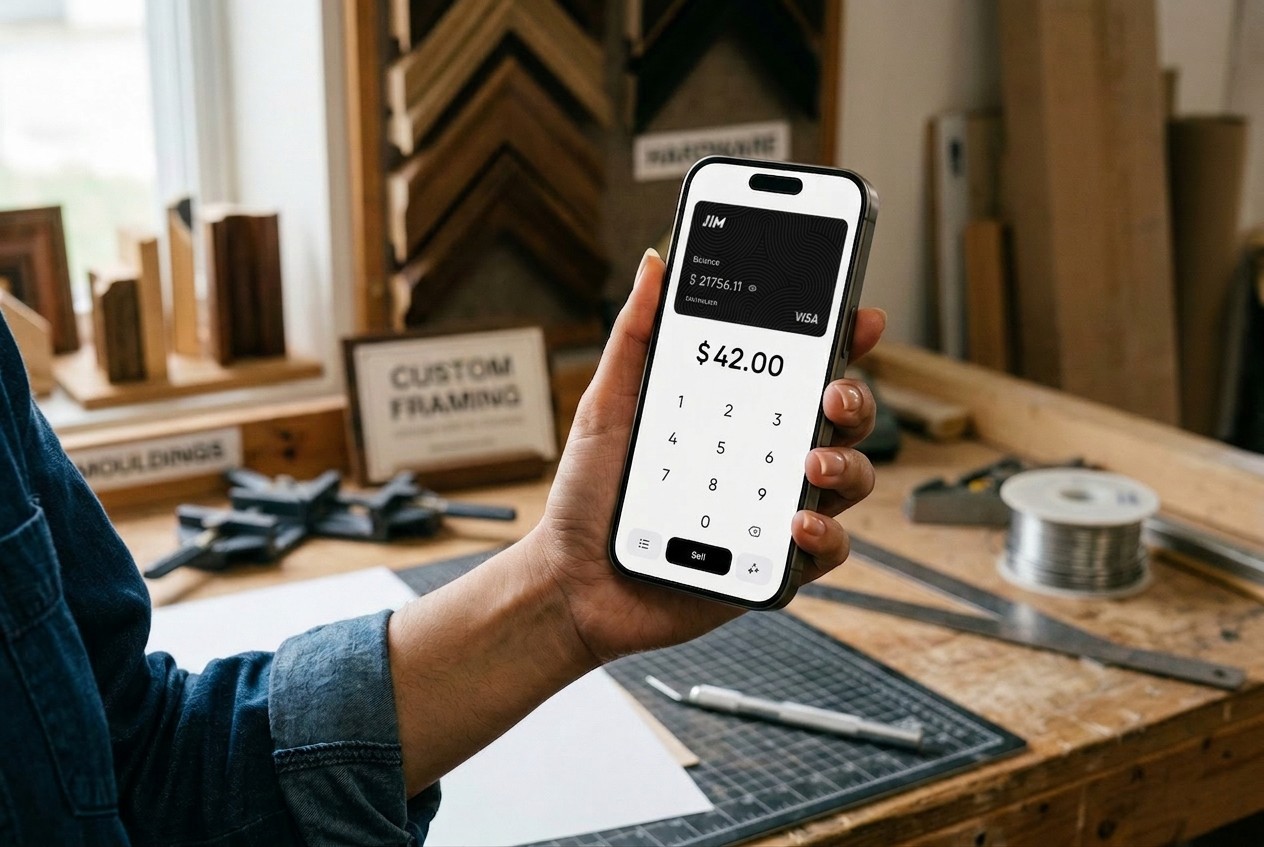
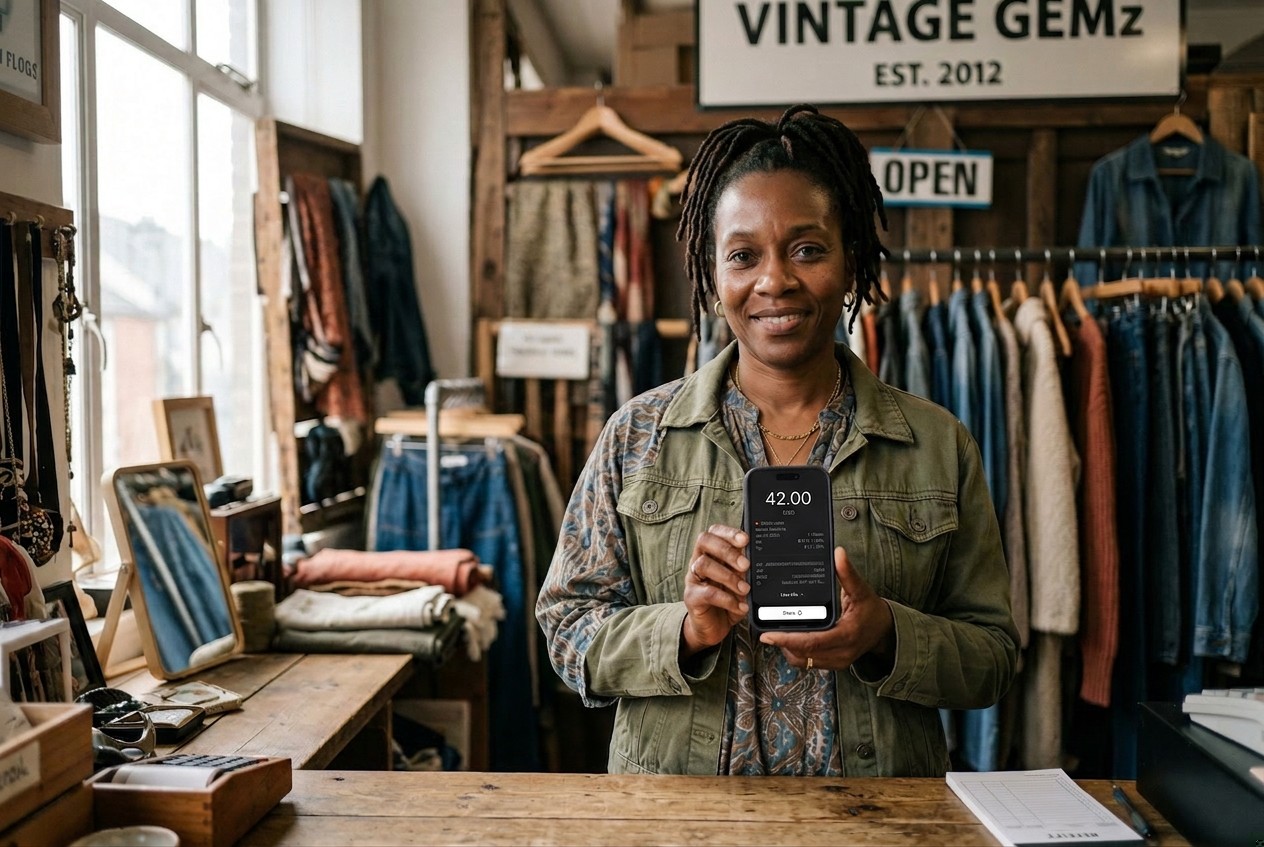
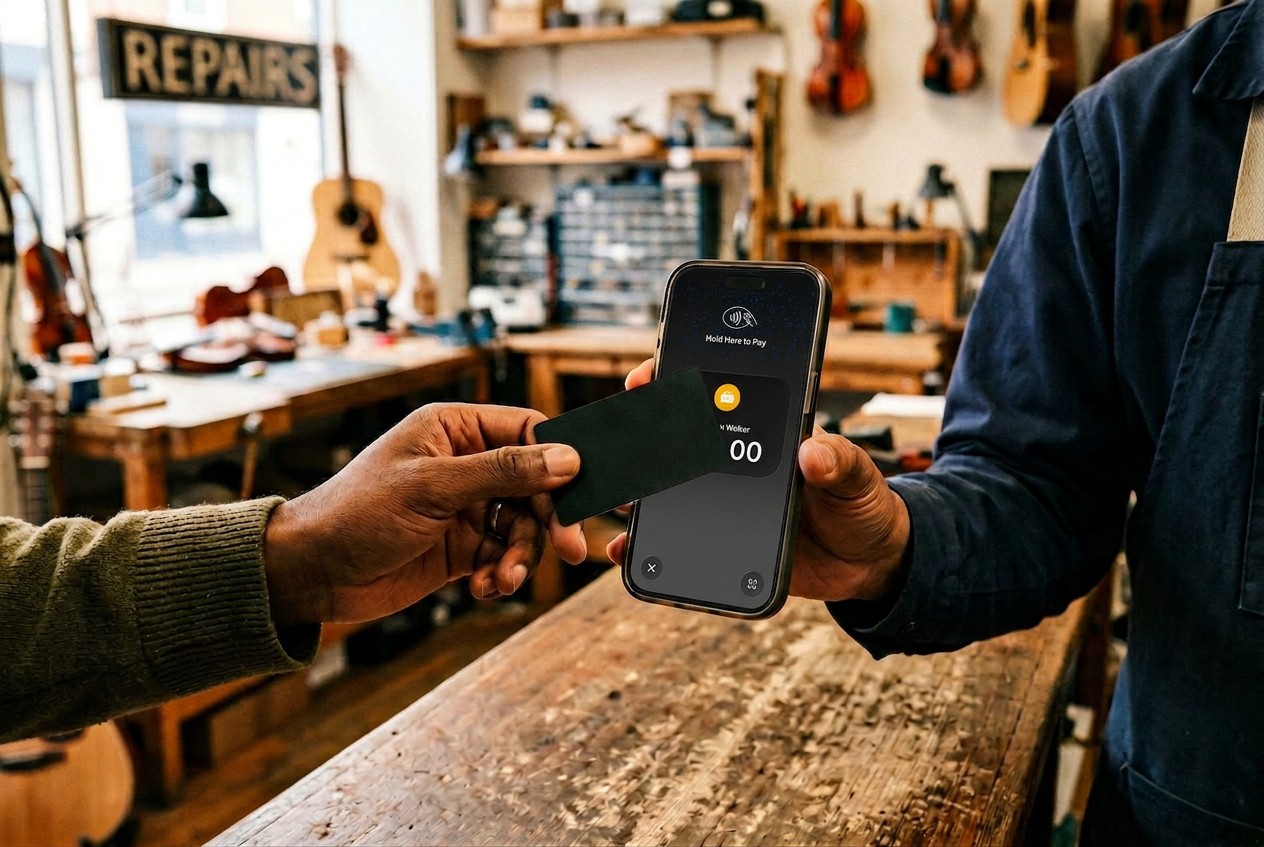
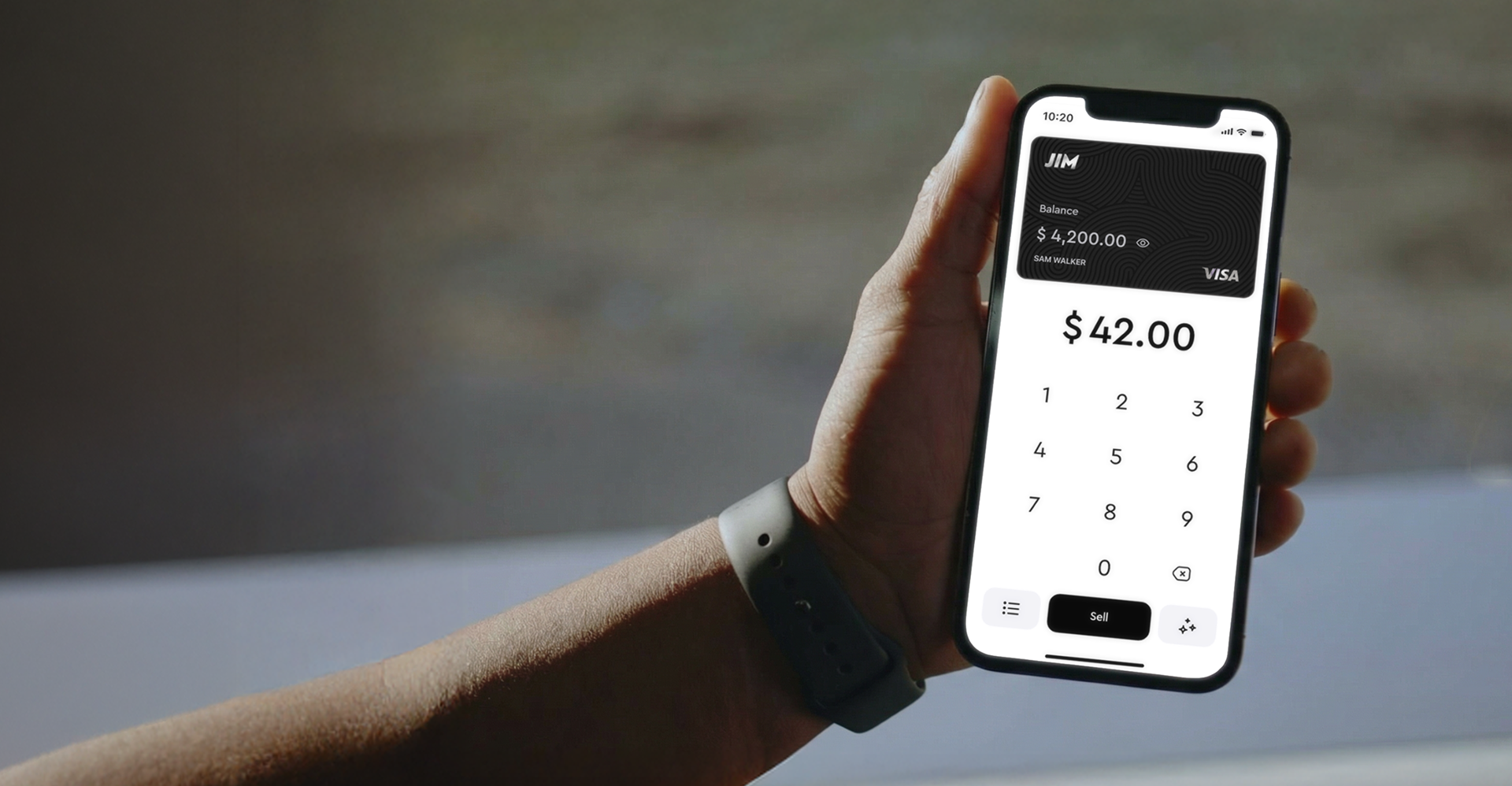
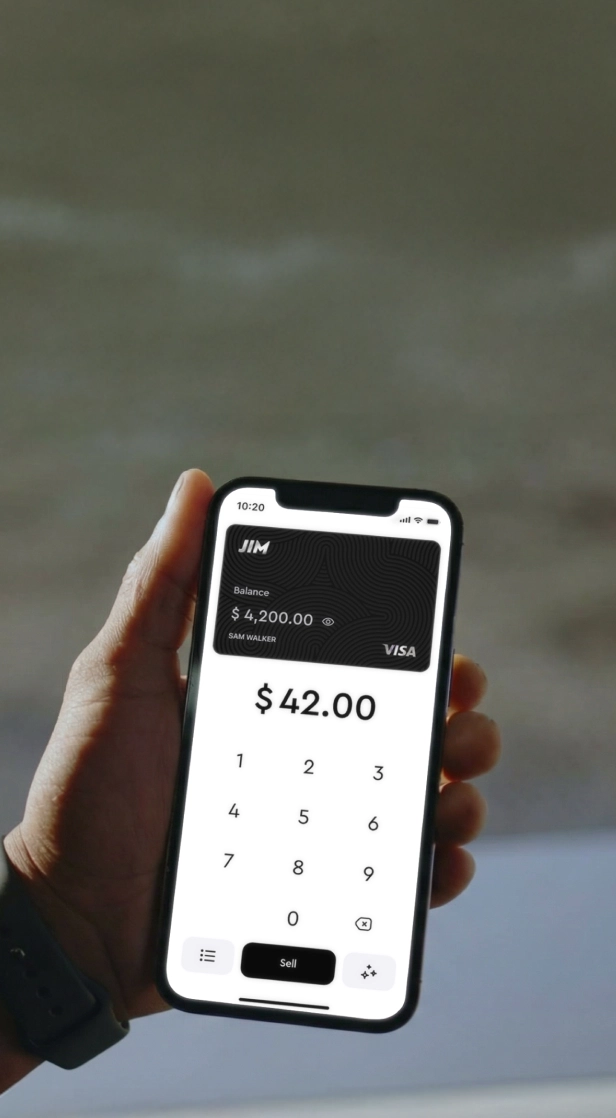
- Contactless/NFC payments use near-field communication technology for tap-to-pay transactions. This includes contactless-enabled credit cards and NFC-based acceptance methods. Tap to Pay on iPhone technology falls into this category, allowing smartphones to accept contactless payments through built-in NFC readers. Solutions like JIM use this technology to turn iPhones into payment terminals without requiring external card readers.
- Buy Now, Pay Later splits purchases into installment payments, typically with no interest if paid on time. These services integrate at checkout, offering customers the option to spread costs across weeks or months rather than paying the full amount immediately.
Mobile wallets and payment apps fall under the broader category of mobile payments, which continue to gain ground with consumers. Digital wallets now represent 49% of global e-commerce and online payment transactions. The FDIC notes that prepaid cards, payroll cards, and government benefit cards also qualify as cashless payment options. For a full breakdown of what your customers might use, see our guide to payment methods.
Cashless Payment Advantages and Disadvantages
Before switching your business to cashless or adding new cashless payment methods, weigh both sides. The benefits are compelling, but the drawbacks deserve honest consideration. This table summarizes the key tradeoffs to help you evaluate whether cashless transactions fit your business.
Why merchants benefit: Cashless transactions are completed in real-time, keeping lines moving during busy periods. Tokenization and encryption protect card data and payment information during every transaction. Digital records help you track sales patterns and simplify tax preparation.
Challenges to plan for: Roughly 4% of U.S. households remain unbanked, which means some customers cannot complete cash payments without physical currency. 68% of users cite connectivity problems as their biggest challenge with digital payments. Processing fees eat into margins, especially for small-ticket items where a 3% fee feels disproportionate.
Security in Cashless Payments
Security concerns rank high for merchants considering cashless payment systems. Modern payment technology addresses these worries through multiple protective layers and two-factor authentication.
- Encryption scrambles card data during transmission so it cannot be read if intercepted.
- Tokenization replaces actual card numbers with one-time codes, meaning your cashless payment system never stores sensitive payment information.
- PCI DSS (Payment Card Industry Data Security Standard) sets the rules all payment processing providers must follow to protect cardholder data.
Mobile wallets add biometric authentication through Face ID or fingerprint verification before authorizing any cashless payment. Real-time fraud monitoring flags suspicious activity before cashless transactions are completed. Stripe emphasizes that PINs, passwords, and token-based authentication protect against unauthorized access across all cashless payment systems.
Mobile wallet fraud rates are much lower than traditional magstripe transactions because the card number never physically appears or transmits during checkout. For small businesses, this means fewer chargebacks and disputes compared to older cashless payment methods.
Cashless Payment Solutions for Small Businesses
Choosing the right cashless payment system depends on your sales environment, transaction volume, and how you want to manage funds through a payment gateway. Several solution categories serve different business needs.
Your choice depends on your business model, transaction volume, and how quickly you need access to funds. Mobile businesses often prioritize portability and instant settlement, while brick-and-mortar stores may prefer the familiarity of traditional terminals.
Learn more about how tap to pay works to understand more about smartphone-based payment acceptance.
How to Choose a Cashless Payment System
The right cashless payment system depends on how and where you sell, not on which payment platform claims the best features. A mobile vendor has different needs than a brick-and-mortar shop, and your average transaction size affects which pricing model makes sense.
Ask yourself these questions before committing to any cashless payment solution.
Key questions to consider:
- What's your sales environment? (Fixed location versus mobile)
- What's your average transaction size? (High-volume small tickets benefit from flat-rate pricing)
- How fast do you need funds? (Same-day versus 1-3 business days)
- Do you need online payment capability too?
- What devices do you already own? (iPhone, Android, tablet, card reader)
Red flags to avoid:
- Long-term contracts with cancellation fees
- Hidden charges (PCI compliance fees, statement fees)
- Proprietary hardware that locks you into one service provider
Match the cashless payment system to your workflow. A food truck needs mobility. A boutique needs a sleek countertop setup. A freelancer needs no-hardware simplicity. Food trucks and market vendors often benefit from a mobile business POS setup that travels with them.
Start Accepting Cashless Payments Today
Cashless payment has become the norm for most transactions. Offering multiple payment options meets the expectations your customers bring to checkout and simplifies your bookkeeping.
JIM makes it easy to add cashless payments without buying new equipment. The app turns your iPhone into a payment terminal, accepting cards and digital wallets at a flat 1.99% fee with instant payouts to your JIM Visa® Prepaid Card.
Ready to accept cashless payments without investing in hardware? Download the JIM app and start taking payments with your iPhone today.
.avif)